
A walk in the countryside can be one of the simplest and most rewarding ways to spend time outdoors. Whether you’re following a well-marked footpath through rolling farmland or heading into more remote hills, taking the right equipment can make your day safer, more comfortable and far more enjoyable.
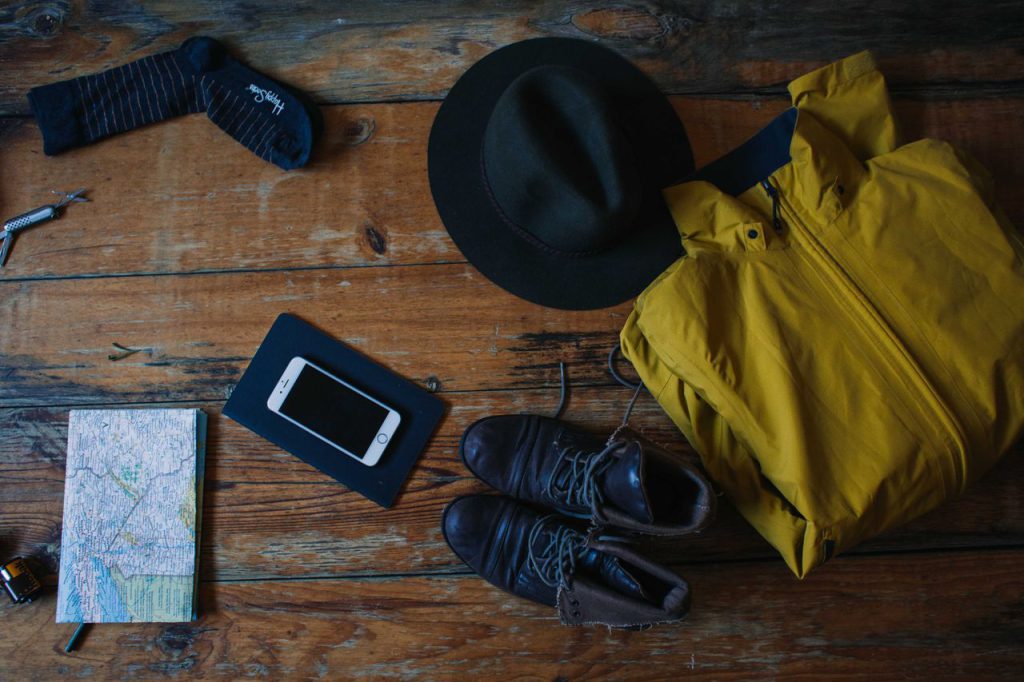
You don’t need expensive specialist gear for most walks, but carrying a few essential items means you’re better prepared if the weather changes or your journey takes longer than expected.
Start with the Basics
Before thinking about specialist equipment, make sure you have the essentials covered.
Every countryside walk should begin with:
- Suitable footwear
- Comfortable clothing
- Drinking water
- A fully charged mobile phone
- A small rucksack
- A map of the area
These simple items form the foundation of a safe and enjoyable day outdoors.
Choosing the Right Footwear
Your choice of footwear depends on the terrain and weather conditions.
| Terrain | Recommended Footwear |
|---|---|
| Country parks | Trainers or walking shoes |
| Woodland paths | Walking shoes |
| Hills and moorland | Walking boots |
| Rocky terrain | Supportive walking boots |
Footwear should provide good grip, adequate support and enough comfort for the distance you intend to walk.
New boots are best worn on shorter walks before attempting longer routes.
Dress for the Weather
British weather is famously unpredictable.
Even on a warm summer’s day it’s sensible to carry an extra layer and waterproof clothing.
A simple clothing checklist includes:
- Waterproof jacket
- Warm fleece or jumper
- Breathable base layer
- Walking trousers or shorts
- Hat
- Gloves during colder months
- Spare socks
Several thin layers are usually more effective than one heavy layer because they can be added or removed as conditions change.
Navigation Equipment
Technology has made navigation easier, but traditional tools remain valuable.
Consider carrying:
- Paper map
- Compass
- Smartphone with downloaded offline maps
- Portable power bank
Even if you mainly use GPS, having a paper map available provides reassurance if batteries fail or signal is lost.
Food and Drink
Staying hydrated is just as important as following the correct route.
For shorter walks, water may be all you need.
For longer outings, consider packing:
- Water bottle
- Sandwiches
- Fruit
- Cereal bars
- Nuts or dried fruit
- Chocolate or other energy snacks
A small snack can make a noticeable difference if you’re walking for several hours.
Safety Essentials
Many items in your rucksack may never be used, but you’ll be glad to have them if they’re needed.
Useful additions include:
- Small first aid kit
- Torch or head torch
- Whistle
- Pocket knife or multi-tool
- Emergency blanket
- Personal medication
- Sunscreen
- Insect repellent during summer
These items take up little space but can prove invaluable in unexpected situations.
Helpful Extras
Depending on the season and location, a few optional items can improve your day.
You might choose to take:
- Walking poles
- Sunglasses
- Camera
- Binoculars
- Notebook
- Lightweight sit mat
- Reusable shopping bag for litter
- Waterproof map case
Not every walk requires these items, but many regular walkers find them useful.
Packing Sensibly
It’s easy to overfill a rucksack with equipment that never leaves the bag.
Aim to pack only what you genuinely need while keeping the weight manageable.
A good approach is:
| Essential | Optional |
|---|---|
| Water | Binoculars |
| Map | Camera |
| Compass | Walking poles |
| Waterproof jacket | Sit mat |
| First aid kit | Notebook |
| Mobile phone | Spare clothing beyond what’s necessary |
A lighter bag usually makes for a more comfortable walk.
Before You Leave Home
A few minutes of preparation can prevent unnecessary problems later.
Before setting off, remember to:
- Check the weather forecast.
- Tell someone where you’re going.
- Estimate your return time.
- Charge your phone.
- Download offline maps if required.
- Check that your footwear is suitable.
- Make sure you have enough food and water.
These simple checks become second nature with experience.
Enjoy the Journey
Having the right equipment isn’t about carrying the biggest rucksack or buying the latest outdoor gadgets. It’s about being prepared for the conditions you’re likely to encounter and giving yourself the confidence to enjoy the walk.
Most countryside outings require only a handful of well-chosen items, sensible planning and an awareness of the changing environment. With comfortable footwear, suitable clothing, basic navigation equipment and a few safety essentials, you’ll be well equipped to make the most of your time outdoors, whatever the season.